Welcoming dogs into your retail space takes more than placing a water bowl by the door. It requires careful planning, clear guidelines, and trained staff who understand customer service and pet safety. For many retailers, becoming dog-friendly offers a unique way to create a more inclusive, welcoming atmosphere for pet owners.
Key Takeaways from this Article
-
- A dog-friendly store can increase customer loyalty and foot traffic.
- Staff training, clear policies, and a safe store design are essential.
- Challenges like pet accidents or customer discomfort can be managed with preparation.
- TimeWellScheduled helps managers communicate expectations, train staff, and log important feedback.
Why Make Your Retail Store Dog-Friendly?
A dog-friendly retail space allows customers to shop alongside their pets. These stores often provide amenities like water bowls, treats, and even dedicated pet sections. This customer experience strategy removes barriers to shopping for pet owners and encourages longer store visits, increasing the likelihood of purchases.
For many people, their dog is part of the family. Allowing pets inside a store can build a stronger emotional connection between the shopper and the brand. It also differentiates the business from competitors who may not offer the same level of accommodation.
Popular Retail Stores with Successful Dog-Friendly Environments
Across North America, several popular chains and boutique stores have embraced dog-friendly policies. While some do it for branding purposes, others see it as a practical way to meet customer needs. Below are a few examples of well-known retailers that successfully operate with a dog-friendly model:
PetSmart
As a leading pet supply chain, PetSmart encourages customers to bring their dogs. The store offers a safe, controlled environment designed to accommodate pets of all sizes. This policy supports the company’s brand while also encouraging impulse purchases of toys, treats, and grooming services.
Home Depot
Many Home Depot locations allow leashed dogs inside. This decision reflects the brand’s casual and hands-on shopping environment, where customers often make lengthy visits. Dog-friendly policies have helped increase foot traffic and improve customer satisfaction, particularly in suburban and rural areas.
LUSH Cosmetics
LUSH is known for its cruelty-free stance, and welcoming dogs reinforces that image. Store associates are trained to interact positively with both owners and pets. This has strengthened customer loyalty and aligns with their values-driven approach.
Five Steps to Make Your Retail Store Dog-Friendly
Before opening your doors to four-legged customers, it’s important to have a clear plan. The following five steps provide a practical framework to help store owners and managers implement a dog-friendly shopping experience:
Step 1: Check Local Bylaws and Property Rules
Start by confirming whether local health regulations or lease agreements allow dogs in your store. Some municipalities restrict animals in businesses that serve food or drink. Review these rules before committing to any policy change.
Step 2: Define a Clear Dog Policy
Develop guidelines that outline acceptable behavior, leash requirements, and owner responsibilities. Ensure your policy includes rules about aggressive behavior and cleanup expectations. Posting signage at your entrance and on your website helps set clear expectations.
Step 3: Train Staff on Dog-Friendly Protocols
Employees need to feel comfortable around dogs and know how to respond to various situations. Train your staff on basic pet etiquette, how to assist customers with pets, and how to handle disruptions safely. Encourage calm, professional responses at all times.
Step 4: Prepare the Store Environment
Remove or secure any items at ground level that may be damaged or pose a hazard. Create open walking paths and place water bowls or treat stations in convenient locations. Keep cleanup supplies handy in case of accidents.
Step 5: Start Small and Monitor the Experience
Consider piloting your dog-friendly policy during certain hours or days before a full rollout. Monitor customer feedback, staff experiences, and any incidents. Use these insights to refine your policy and ensure the environment remains safe and enjoyable.
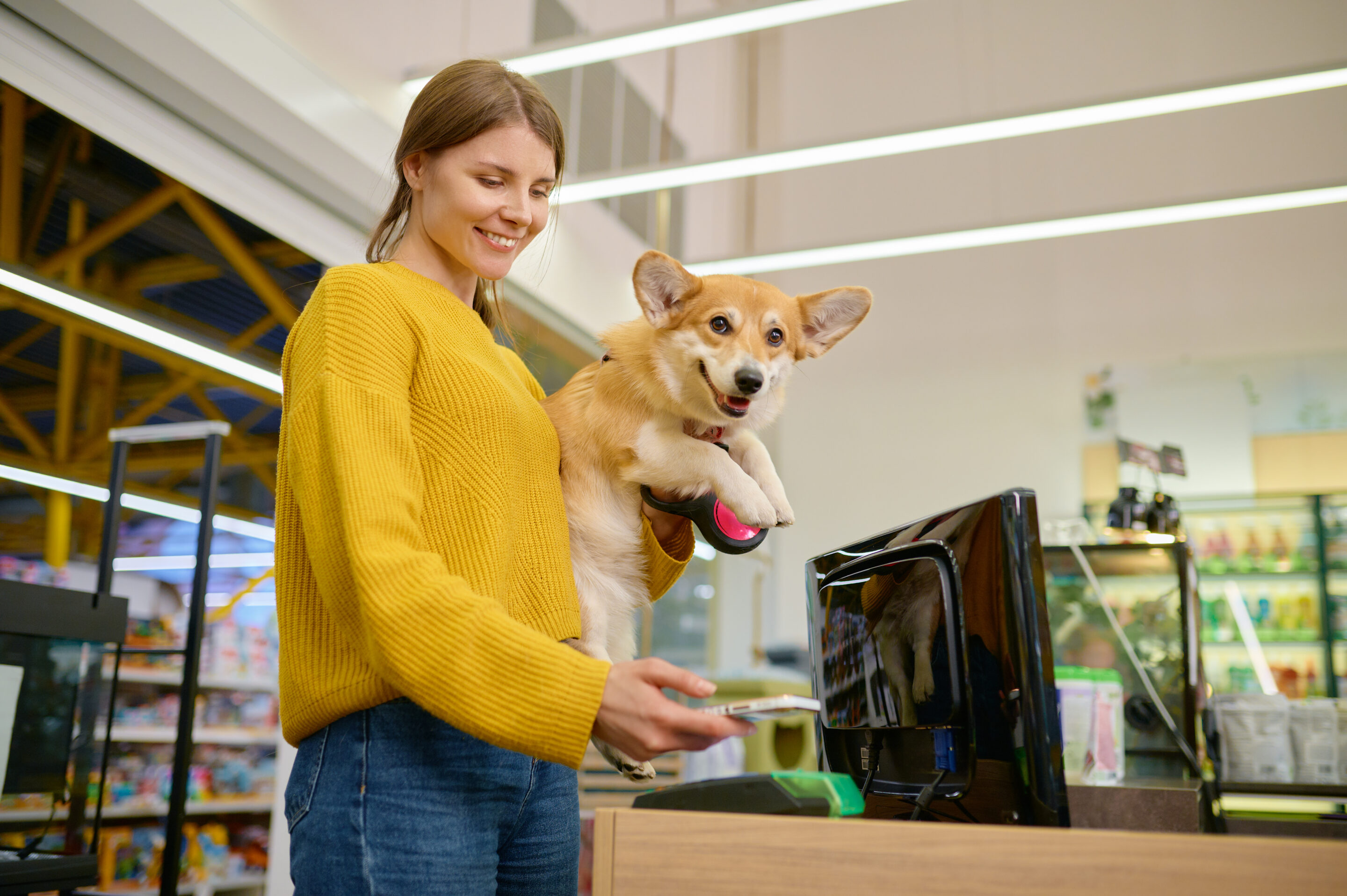
Advantages and Challenges of Maintaining a Dog-Friendly Retail Store
While a dog-friendly store can provide several benefits, it also comes with operational challenges. Understanding both sides can help managers plan accordingly. Here are a few points to consider:
Advantages
1. Improved Customer Experience
Welcoming dogs creates a warm, personalized shopping environment. Customers are more likely to linger when their pets are allowed inside. This often leads to higher sales and stronger brand loyalty.
2. Increased Foot Traffic
Dog-friendly stores attract pet owners who may otherwise avoid shopping trips. These customers may visit more frequently and spend more time browsing. Over time, this helps build a reliable and loyal customer base.
3. Positive Brand Image
Allowing dogs aligns your brand with inclusivity and lifestyle flexibility. Customers often share positive shopping experiences on social media, generating organic marketing. This enhances public perception and makes your store stand out.
Common Challenges and How to Handle Them
1. Accidents or Cleanliness Concerns
Pet accidents can happen, especially on busy days. Keep cleanup kits easily accessible and train staff to act quickly and discreetly.
2. Customer Allergies or Discomfort
Not everyone feels comfortable around dogs. Create pet-free zones or post notices to inform customers about what to expect when they enter the store.
3. Aggressive or Unruly Dogs
Not all dogs are well-behaved. Enforce a clear policy requiring leashes, and reserve the right to ask a pet owner to leave if their dog poses a risk.
TimeWellScheduled Helps Prepare Employees for a Dog-Friendly Environment
Introducing pets into the shopping environment adds new variables to daily operations. TimeWellScheduledTimeWellScheduled’s workforce management system offers featurefeatures to support managers in creating a smooth and responsive transition, including:
Shift Communication and Alerts
With TimeWellScheduled, managers can send real-time updates about new dog-friendly policies and expectations. Staff can review updates on their devices before or during their shifts. This ensures alignment and minimizes confusion.
Custom Training Scheduling
Managers can schedule short training modules or in-person sessions on handling pet-related situations. TimeWellScheduled makes it easy to set aside time during quieter hours. This improves staff confidence and helps avoid operational issues.
Incident Logging and Feedback Tracking
TimeWellScheduled allows for quick documentation of in-store incidents involving pets. Managers can log observations and staff feedback, allowing for responsive adjustments. Over time, this data supports a safer, more welcoming environment.
Welcoming Dogs Starts With Prepared Employees
A dog-friendly retail environment isn’t just a nice touch—it’s a practical way to meet modern consumer expectations. With the right plan, tools, and staff support, your store can welcome both two- and four-legged customers with confidence. TimeWellScheduled ensures your staff knows what to do, when to do it, and how to respond to any pet-related incident—keeping your store safe and inviting.