
Employee Accountability in the Workplace

What is Accountability in the Workplace?
The employee accountability definition is the responsibility of employees to complete the tasks they are assigned, to perform the duties required by their job, and to be present for their proper shifts in order to fulfill or further the goals of the organization. If tasks are not completed and functions of the job are not performed properly, then that employee will also be responsible for dealing with the repercussions.
Examples of Accountability in the Workplace:
- Employees being present for their entire required shift
- Employees completing any tasks that have been designated to them
- Employees being responsible for the specific duties that go along with their job
- Employees being consistent in doing the right thing in all aspects pertaining to their job
- Employees working together towards a common goal for the busines

Why is Workplace Accountability Important?
Accountability at work is important to a business’s success as a whole. Every employee, no matter what level of seniority is equally responsible for aiding in the success of the company. In order to achieve the goals of the company, long and short term, it is important that all people within the company work together and share accountability. Employees who work together towards the same overall goal help their workplace to become more accountable, in turn make the business more productive and efficient.
How to Increase Employee Accountability at Work

Biometric Devices – such as fingerprint and retinal scanners, allow an employee to clock-in and out for their shifts at work through one of their physical traits. For an employee to be held accountable for their shift, they will have to be present at work in order to sign in/out. Since these devices require the use of an individual’s physical characteristics, it ensures that each employee that is present will be accounted for. Biometric devices also help to eliminate employee time theft or “buddy punching”.
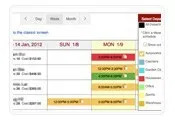
Time and Attendance Software – When you pair biometric devices with a time and attendance software, it allows for much more efficient attendance processing. Once an employee clocks-in for a shift, the information is recorded into the device, and can then be uploaded onto the time and attendance software allowing for accurate tracking of employee attendance. More employees will be accountable for their shifts with more accurate tracking and fewer attendance errors.

SMART Goals – A great way to foster accountability in the workplace is to have your employees set SMART goals for themselves. SMART goals are specific, measurable, achievable, results-oriented and time-bound. Having goals that meet these criteria will allow your employees to feel more able in the work they are doing. It is a way for them to measure their own productivity.

Team Incentive Programs: Team incentive programs will allow employees to motivate themselves to reach their highest accountability and potential. Your employees will work together towards completing common goals, and will be compensated for going above and beyond the goals set out for them.

Prioritization: One reason why employee accountability dwindles, is because employees struggle to balance tasks and goals and eventually become overwhelmed and unable to complete their tasks on time. As a manager of a business, it is important to help your employees prioritize their responsibilities in relation to your company’s overall goals. Helping to prioritize will allow your employees to feel more organized and competent in the tasks they are assigned.

Monitor Progress: Monitoring your employees’ progress will help motivate them to be more productive and accountable. It is only natural that when we know someone is watching our progress that we will try to perform to our best abilities. Along with monitoring employee progress, it is equally important to share progress reports with them so they may learn what areas need more attention and what areas they are excelling in.
Personal Accountability in the Workplace
Personal accountability at work can encompass everything from employees being accountable for themselves, making themselves indispensable, to managers and people in leadership roles showing personal accountability in order to foster an environment of accountability in the office with their employees. If you are not in a management role, demonstrating accountability at work will prove that you are a valuable asset to the company and it will make you an indispensable commodity.
If you are a manager or in a management position, displaying personal accountability will help build a culture of accountability in your company. Your employees will watch as you create an acceptance and understanding of accountability, and will more than likely follow your actions. Knowing that personal accountability is something that even the management is responsible for will help employees feel balanced and bonded through that shared responsibility.