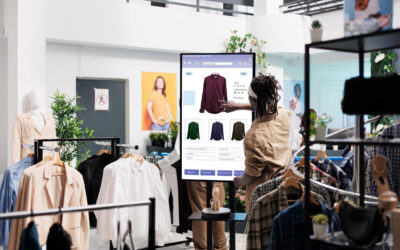
Retail is one of the most fast-paced and competitive industries, where customer expectations and operational demands change daily. To stay ahead, companies need managers who can lead people, run efficient stores, and deliver great customer experiences. However, many...
The Unspoken Rules of Digital Communication (and How to Use Them to Your Advantage)
“All communication is complicated by perceptions and assumptions. Language, tone and communication channels contribute to ambiguity. Effective managers make the effort to set communication norms, communicate regularly, keep everyone in the loop, confirm common...
Retail Management: Planning for Seasonal Change – Five Tips
Every retail manager understands that seasonal change brings excitement and pressure. Whether it's the back-to-school rush, the long winter holiday season, or the frenzy of Black Friday, customer behavior shifts dramatically; and retailers must plan accordingly. Sales...
How Automation Can Help Small Businesses Compete With Big Brands
"Research shows tremendous bottom-line benefits from automation. The IBM Institute for Business Value estimates that 92% of C-suite executives plan to digitize workflows and leverage AI-powered automation by 2026."- Keith O'Brien, IBM Consulting. Since the early...
5 Habits of Highly Productive Managers That You Can Adopt Today
Highly productive managers work using intentional systematic thought processes based on discipline and habit formation to drive consistently high levels of performance. In fast-paced business environments where demands are constantly in flux, these habits allow...
Four Ways TimeWellScheduled Saves Retailers Money
Retail is a high-volume, low-margin industry, meaning even small inefficiencies can erode profits. From time theft to inaccurate employee scheduling, operational waste often hides in plain sight. To protect revenue, retailers must leverage systems that provide...
Workforce Best Practices Reinvented Through Rapid Online Scheduling Technology Adoption
The way organizations manage time and attendance has undergone a dramatic transformation over the past decade. With the rise of online systems and rapid advances in technology, traditional punch clocks and manual scheduling processes are being replaced with more...
TimeWellScheduled: Revolutionizing Employee Time and Attendance Management
In today’s fast-paced business environment, accurate time tracking and attendance management are crucial for operational efficiency and workforce productivity. Managing employee schedules, monitoring attendance, and ensuring payroll accuracy can quickly become...
Part-Time Employees: A Key Pillar of Small Businesses
Small businesses often operate in dynamic environments where customer needs shift rapidly and budgets remain tight. Hiring part-time employees allows these companies to create flexible schedules that can be adjusted to meet peaks in demand. Workforce flexibility helps...
Micro-Scheduling: Do Smaller Shift Blocks Improve Productivity?
“Organizations utilizing microshifts to fill gaps in their normal employee work schedules for high contact times or to meet staffing requirements can have a competitive edge operationally.” - Vicki Brackett, ICMI. Employee scheduling has always required a balance,...
Outcome-Based Employee Scheduling: What Is It? How Does It Work?
Traditional scheduling systems often measure productivity in terms of hours logged. However, hours alone don’t guarantee results. Businesses increasingly seek scheduling solutions that align more closely with output and company goals. Outcome-based employee scheduling...

Pros & Cons of Workplace Group Chats
Communication is the backbone of every workplace, and modern tools have transformed how managers and employees share information. Group chats, once limited to personal use, are now commonplace in professional environments. While they can enhance efficiency and...
Business Objectives: Proven Practices for Measuring Success
“Objectives should be clear and measurable, well aligned with broader corporate objectives - plus something employees have reviewed and bought into so they have skin in the game - Ambitious but attainable" - Victor Lipman, Forbes. Every business, regardless of size or...
Personal Protective Equipment: Employer & Employee Obligations
Workplace safety is a cornerstone of responsible business operations, and one of the most visible aspects of that commitment is personal protective equipment (PPE). From hard hats to respirators, PPE plays a vital role in preventing injuries, illnesses, and fatalities...
What is an Employee Assistance Program? How Does it Work?
Employee Assistance Programs (EAPs) are employer-provided support services that help staff navigate life’s stresses, both personal and work-related. These programs offer confidential access to professional help, often covering everything from mental health to...
Employee Leave: What is the Aim? What Are the Benefits?
Employee leave benefits provide employees the opportunity to rest, recover, or manage personal obligations without jeopardizing their employment. From vacations to medical leave, these policies protect workers while helping organizations maintain long-term...
Shift Workers: The Unsung Heroes of the Global Workforce
Grocery stores, hospitals, factories, transit systems, and hotels all depend on shift workers, the unsung heroes of the global economy, to maintain essential services without interruption. These employees are the backbone of continuous operations, ensuring that goods...
What is In-Store Media? How is it affecting Retail?
“Vestcom data shows that brands with media on their shelf tags generate 5% to 10% average sales lift, which “clearly validates that shoppers value more than just price.” - Shachar Torem, CPG & Retail Media Solutions. Digital transformation has redefined how...