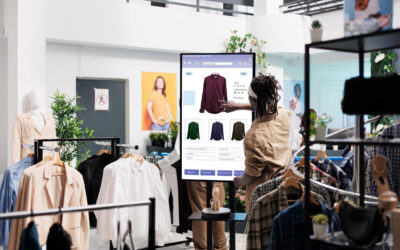
The Key to Retail Success: Developing Great Managers

The Key to Retail Success: Developing Great Managers

Retail is one of the most fast-paced and competitive industries, where customer expectations and operational demands change daily. To stay ahead, companies need managers who can lead people, run efficient stores, and deliver great customer experiences. However, many...

read more

Four Ways TimeWellScheduled Saves Retailers Money

Four Ways TimeWellScheduled Saves Retailers Money

Retail is a high-volume, low-margin industry, meaning even small inefficiencies can erode profits. From time theft to inaccurate employee scheduling, operational waste often hides in plain sight. To protect revenue, retailers must leverage systems that provide...

read more

Part-Time Employees: A Key Pillar of Small Businesses

Part-Time Employees: A Key Pillar of Small Businesses

Small businesses often operate in dynamic environments where customer needs shift rapidly and budgets remain tight. Hiring part-time employees allows these companies to create flexible schedules that can be adjusted to meet peaks in demand. Workforce flexibility helps...

read more

Pros & Cons of Workplace Group Chats

Pros & Cons of Workplace Group Chats

Communication is the backbone of every workplace, and modern tools have transformed how managers and employees share information. Group chats, once limited to personal use, are now commonplace in professional environments. While they can enhance efficiency and...

read more

What is In-Store Media? How is it affecting Retail?

What is In-Store Media? How is it affecting Retail?

“Vestcom data shows that brands with media on their shelf tags generate 5% to 10% average sales lift, which “clearly validates that shoppers value more than just price.” - Shachar Torem, CPG & Retail Media Solutions. Digital transformation has redefined how...

read more

What are the Different Types of Work Shifts?

What are the Different Types of Work Shifts?

Modern businesses depend on well-structured work schedules to ensure friction-free operations. From hospitals to retail stores, the type of shift assigned impacts productivity, employee well-being, and customer satisfaction. This article explains the most common types...

read more

A Basic Guide to Crisis Scheduling

A Basic Guide to Crisis Scheduling

Disruptions rarely arrive with warning, yet businesses are expected to adapt instantly. From sudden staff shortages to technology breakdowns, daily operations can collapse without a structured plan. Managers who rely solely on fixed timetables often find themselves...

read more

What does Software as A Service Mean to Retailers?

What does Software as A Service Mean to Retailers?

Traditional software solutions, with their large upfront costs and long installation timelines, no longer fit the fast pace of modern retail. Software as a Service (SaaS) has emerged as a practical alternative, offering flexible, cloud-based tools that are easy to...

read more

Customer Experience: Create a More Welcoming Store


Customer Experience: Create a More Welcoming Store

A store that feels warm, easy to navigate, and inviting encourages shoppers to stay longer and spend more. On the other hand, a poorly maintained or uninviting space can quickly push customers away, even if products and prices are competitive. Creating a welcoming...

read more

How AI and Automation Are Impacting Retail

How AI and Automation Are Impacting Retail

“AI in retail has empowered businesses with high-level data and information that is leveraged into improved retail operations and new business opportunities. In fact, it is estimated that $40 billion of additional revenue was driven by AI in retail in a 3-year span.”...

read more

Retail Acronyms All Retail Business Owners Must Know

Retail Acronyms All Retail Business Owners Must Know

Acronyms serve as shorthand in retail, enabling professionals and shoppers to navigate complex terminology effortlessly. These concise labels appear in reports, dashboards, and conversations, streamlining insights and decision-making. As retail evolves with...

read more

How Can Small Retailers Better Manager Consumer Behavior

How Can Small Retailers Better Manager Consumer Behavior

“Every retailer wonders why buyers behave the way they do.” -Kate Ambrose, Shopify.  Understanding how customers behave in-store is no longer a luxury; it’s a necessity. For small retailers, the ability to recognize patterns, adapt to customer needs, and adjust store...

read more

What Do Value Added Services Mean For Retailers?

What Do Value Added Services Mean For Retailers?

Value added services (VAS) have become a defining trend in modern retail. In an era where product availability and price are no longer the only differentiators, retailers are turning to service enhancements to gain a competitive edge. These offerings create better...

read more

How Do Subscription Services Work in Retail?

How Do Subscription Services Work in Retail?

“The market for subscriptions has been growing for years and is predicted to continue. By 2028, it's estimated that online subscriptions will be worth $2.3 trillion.” -Roxanne Voidonicolas, Shopify. Retail has always been about meeting customer needs. However, today,...

read more

Five Tips & Practices to Improve Project Tracking

Five Tips & Practices to Improve Project Tracking

Project tracking plays a critical role in helping businesses manage time, tasks, and team responsibilities effectively. Without proper tracking systems in place, even small delays or overlooked steps can compromise budgets, client expectations, or productivity...

read more

Retail Media: What is it? Why is it Important?

Retail Media: What is it? Why is it Important?

“30% of Americans say they typically hear about new products via retail sites, ecommerce sites, or ads/sponsored posts” - Caitlin Nuttall, Content Marketing Manager Retail companies are sitting on one of the most valuable assets in marketing, direct access to consumer...

read more

What is Sustainable Shopping? Why is it Trending?

What is Sustainable Shopping? Why is it Trending?

“We (at IKEA) are on a mission to help create a better future for people and the planet. We recognize that, as a company with a large reach, customer base and environmental footprint, we need to do everything we can to reduce our impact on the planet.” - Lindsey...


read more
How Voice Commerce is Impacting Retail

How Voice Commerce is Impacting Retail

Retail companies are always looking for ways to improve convenience, reduce friction, and connect more effectively with customers. One of the newest tools helping retailers achieve this is voice commerce, which allows shopping through voice-enabled technology. As...

read more
The Role of Pop-Up Shops Within the Retail Ecosystem

The Role of Pop-Up Shops Within the Retail Ecosystem

Retail is constantly evolving to meet customer expectations and market shifts. One of the most adaptable formats in today’s competitive landscape is the pop-up shop. These temporary storefronts provide brands with a low-risk, high-impact way to connect with consumers...

read more
Employee Engagement: What Does it Really Mean?

Employee Engagement: What Does it Really Mean?

Employee engagement goes beyond job satisfaction. It refers to how committed, motivated, and invested employees are in their work and the company’s success. Engaged employees consistently go the extra mile, contribute ideas, and show up ready to make an impact. For...

read more
Tackle Common Health & Safety Hazards in Retail

Tackle Common Health & Safety Hazards in Retail

Retail operations routinely face safety risks such as overexertion injuries, slips, and falls during routine tasks. Ignoring these issues can lead to accidents, fines, and damage to the employer's reputation. This article outlines data-driven best practices, safety...

read more
Five Principles to Improve Payroll Accuracy

Five Principles to Improve Payroll Accuracy

Payroll errors undermine employee confidence, damage an employer's reputation, and create compliance risks; therefore, payroll must be accurate and timely every pay period. Implementing clear principles can help employers streamline payroll processes and ensure every...

read more
Three Ways to Enhance the Employee Experience

Three Ways to Enhance the Employee Experience

The modern workforce expects more than just a paycheck; they seek workplaces that prioritize their well-being and career development. Companies that ignore employee experience risk higher turnover and lower productivity levels. Prioritizing employee experience creates...

read more
The Trend Toward Digital Payment Systems in Retail

The Trend Toward Digital Payment Systems in Retail

Digital payment systems are reshaping the retail industry at every level. More shoppers now expect quick, contactless ways to pay, and businesses are adapting to meet these demands. As digital payments become the norm, retailers must understand the opportunities and...

read more
How to Identify Employees Who Suffer in Silence

How to Identify Employees Who Suffer in Silence

Employees who suffer in silence often keep their struggles hidden, making it difficult for managers to recognize problems before they escalate. Ignoring these silent battles can weaken team morale, reduce productivity, and increase turnover. Managers who can identify...

read more
What Is a Swing Shift and How Does It Work?

What Is a Swing Shift and How Does It Work?

Not every job fits neatly into a 9-to-5 schedule. In industries that operate long hours or around the clock, swing shifts help bridge the gap between daytime and overnight coverage. Understanding how swing shifts work can help managers improve productivity, maintain...

read more
Steps to Create a Dog-Friendly Retail Environment

Steps to Create a Dog-Friendly Retail Environment

Welcoming dogs into your retail space takes more than placing a water bowl by the door. It requires careful planning, clear guidelines, and trained staff who understand customer service and pet safety. For many retailers, becoming dog-friendly offers a unique way to...

read more
The Pros and Cons of Employee Self-Scheduling

The Pros and Cons of Employee Self-Scheduling

The modern workforce expects greater flexibility and autonomy over work schedules. In response, employers are adapting by implementing new policies and processes that empower employees. One solution gaining traction is employee self-scheduling, a system that allows...

read more
Five Subtle Signs Employees Are Disengaging

Five Subtle Signs Employees Are Disengaging

Not all disengaged employees show their dissatisfaction openly. Some may underperform, while many simply fade into the background—appearing cooperative while mentally checking out. These quiet behavioral shifts often pose the greatest risk, as they can go unnoticed...

read more
Retailers Must Move at the Speed of Culture

Retailers Must Move at the Speed of Culture

Today’s consumers expect brands to reflect their values, trends, and lifestyles. Over the past decade, particularly in the last year, the way brands connect with culture has changed dramatically due to social media and digital innovation. These shifts have transformed...

read more
Is the Four Day Work Week Right for Your Business?

Is the Four Day Work Week Right for Your Business?

“A study of 245 businesses with more than 8,700 workers, a four-day workweek had observable benefits: reduced burnout, improved mental and physical health, and fewer resignations. Over 90% of companies that chose to pilot a four-day workweek chose to stick with it.” -...

read more
Practical Tips to Identify and Prevent Retail Fraud

Practical Tips to Identify and Prevent Retail Fraud

“Fraudsters are constantly devising new strategies to exploit vulnerabilities and loopholes in retail systems, causing significant financial losses and reputation damage to businesses.” - Fraud.com. Retail fraud occurs in both in-store and online environments, often...

read more
Three Tips to Improve People Management Skill Training

Three Tips to Improve People Management Skill Training

The social complexity of modern work environments presents numerous challenges for supervisors and frontline managers. As business leaders navigate these evolving workforce dynamics, the ability to manage people effectively has become a defining skill for success....

read more
How Employee Time-Tracking Technology Reduces Costs

How Employee Time-Tracking Technology Reduces Costs

In most businesses, labor costs often represent the highest operational expense. Thus, effectively managing employee hours well, reduces waste, improve accuracy, and help managers make informed decisions. This article explores how time-tracking technology supports...

read more
How to Implement Organization-Wide Scheduling Change

How to Implement Organization-Wide Scheduling Change

"To improve is to change; to be perfect is to change often," - Winston Churchill. For modern small-to-medium sized enterprises (SMEs), improving employee scheduling is a competitive necessity. Organization-wide scheduling changes help businesses respond to shifting...

read more
What Do Employees Want In Their Work Schedule?

What Do Employees Want In Their Work Schedule?

“...employees must feel that their employers respect them and will provide them with what they need to be successful in both their professional and personal lives. “ - Alan Kohll, Corporate Wellness Expert, Forbes. Employees expect more than just a paycheck — they...

read more
Key Managerial Priorities for Employee Scheduling

Key Managerial Priorities for Employee Scheduling

Establishing priorities helps individuals and businesses focus their time, energy, and resources on what matters most. Therefore, business leaders prioritize staff schedules that are easy to manage, minimize human errors, and align employer needs with staff...

read more
How to Improve Workplace Coordination

How to Improve Workplace Coordination

"Coordination means synchronization of the efforts of group members so as to provide unity of action for pursuing common goals. It is the hidden force which binds all the other functions of management." -Niti Goyal, Professor, Principles of Management. Effective...

read more
Mobile Scheduling Apps Improve Employee Accountability

Mobile Scheduling Apps Improve Employee Accountability

Businesses increasingly use mobile scheduling apps to strengthen inter-organizational communication, reduce absenteeism, and improve employee accountability. These mobile apps make it easier for staff and managers to keep track of work schedules in real-time, reduce...

read more
Promote Work-Life Balance Via Employee Scheduling

Promote Work-Life Balance Via Employee Scheduling

"Work today is about more than just a pay cheque. Talent globally are looking for workplaces that align with their personal values, aspirations, and circumstances." - Sander van 't Noordende, the chief executive of Randstad. In recent years, employees have...

read more
Managing Multiple Shifts? Rotational Scheduling Can Help

Managing Multiple Shifts? Rotational Scheduling Can Help

“Shift workers on rotating schedules don’t have as many time constraints as those in fixed schedules. They likely work outside of “normal” working hours. That gives them flexibility for making out-of-work arrangements—like booking a doctor’s appointment in the middle...

read more
Scheduling On-Call Employees: Benefits & Challenges

Scheduling On-Call Employees: Benefits & Challenges

"An on-call schedule can be a great way for businesses to respond quickly to unpredictable customer traffic and issues without necessarily having to increase labor costs." - Sarah Busque, Marketing Manager, Agendrix. On-call scheduling can be a flexible solution for...

read more
The Benefits of Predictive Scheduling

The Benefits of Predictive Scheduling

“Increasingly, employers have to manage the intricacies of predictive scheduling, which is aimed at giving employees more work-life balance and requiring employers to provide work schedules ahead of time.” - Kris Janisch, GovDocs. Managing a workforce requires more...

read more
Reward High Performers with Preferential Scheduling

Reward High Performers with Preferential Scheduling

“Understanding and accommodating employee shift preferences can significantly improve employee motivation, productivity, job satisfaction, and overall workplace morale.” - Sarah Busque, Marketing Content Manager. Motivating and retaining top talent requires more than...

read more
Three Scheduling Tips to Manage Employee Burnout

Three Scheduling Tips to Manage Employee Burnout

Employee burnout is a growing issue that directly impacts productivity, morale, and staff retention. It occurs when employees experience prolonged stress, lack of rest, and overwhelming workloads. For employers, burnout leads to absenteeism, low engagement, and higher...

read more
How Cross-Training Enhances Employee Scheduling

How Cross-Training Enhances Employee Scheduling

Employee cross-training is a powerful strategy for enhancing scheduling efficiency and reducing common staffing hurdles. Businesses that cross-train have greater flexibility and are more prepared to deal with unexpected scheduling issues than those that do not. This...

read more
Managing Last-Minute Scheduling Changes in Retail

Managing Last-Minute Scheduling Changes in Retail

Last-minute scheduling changes are common in retail businesses, often due to employee absences, unexpected sales peaks, or other unforeseen events. Quick and effective responses to scheduling disruptions help maintain friction-free operations and positive customer...

read more
How to De-escalate Workplace Conflict

How to De-escalate Workplace Conflict

“Workplaces that implement de-escalation see a marked decrease in incidents of aggression and violence, highlighting its importance in public safety.” -  Jeremy Pollack, PH.D. De-escalation involves using communication and behavioral techniques to lower tensions and...

read more
How to Prevent Employee Understaffing

How to Prevent Employee Understaffing

“While the work may still get done in the short term, understaffing ultimately takes a toll: creating stress, anxiety, and burnout for employees, and other insidious consequences long-term” - Deniece Maston, HR advisor at the Society for Human Resource Management...

read more
Why is it Important to Get Staffing Levels Right?

Why is it Important to Get Staffing Levels Right?

Getting staffing levels right is crucial for business efficiency, cost control, and service quality. Understaffing leads to employee burnout and customer dissatisfaction, while overstaffing increases unnecessary labor costs. Striking the right balance ensures smooth...

read more